
The Independent Corrupt Practices and Other Related Offences Commission (ICPC) has urged the leadership of Nigeria’s polytechnics and colleges of technology to deepen reforms in integrity systems and institutional governance. This appeal forms part of a broader effort to transform technical education sector and align it with national development objectives.
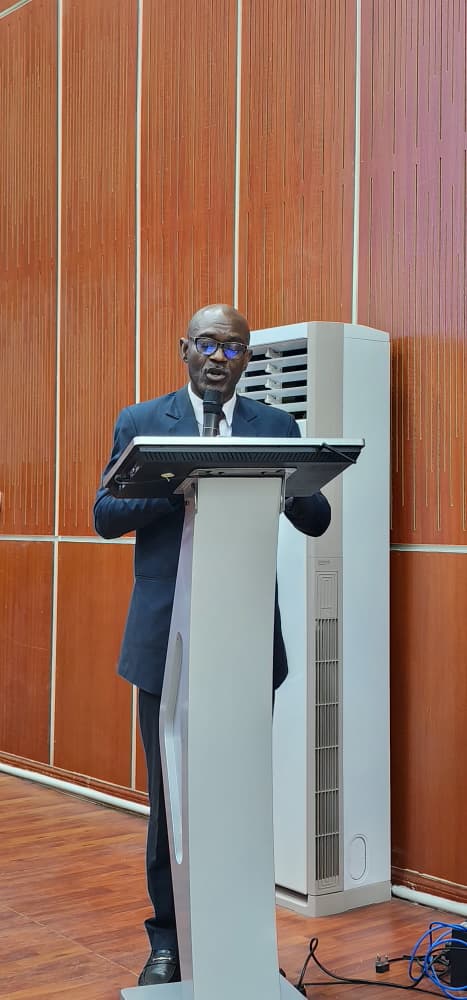
Chairman of the ICPC, Dr. Musa Adamu Aliyu, SAN, made the call during the COHEADs Retreat for Chairmen of Councils, Commissioners for Education, Rectors, Registrars, and Bursars of Federal and State Polytechnics. The event was held recently at the TETFund Auditorium in Maitama, Abuja.
Represented by the Director of the Public Education Department, Mr. Demola Bakare, FSI, Dr. Aliyu described the retreat as a vital platform for confronting the challenges facing polytechnic administration; emphasising further that it enables stakeholders to develop “innovative and sustainable solutions” tailored to the sector’s requirements.
The Chairman noted that the retreat’s theme, “Transforming Polytechnic Education in Nigeria: Innovation, Good Governance and Sustainability for National Development,” resonates strongly with the ICPC’s mandate and the policy direction of the present administration. He commended COHEADs leadership for convening the forum and bringing together key decision-makers from the education sector.
In his address, the ICPC boss
highlighted the Commission’s continued engagement with the education sector through several anti-corruption initiatives. These include the deployment of the Ethics and Integrity Compliance Scorecard (EICS) across Ministries, Departments, and Agencies, including learning institutions to evaluate adherence to ethical standards.
He also cited the establishment of Anti-Corruption and Transparency Units (ACTUs) within public institutions. Described as an internal accountability mechanism designed by the ICPC, ACTUs aid institutions in preventing, detecting, and addressing corrupt practices within their operations.
Furthermore, the Chairman outlined the extension of the Commission’s work to tertiary institutions through the inauguration and oversight of Student Anti-Corruption Vanguards (SAVs). These groups aim to instil ethical values and promote integrity among students on campuses.
Dr. Aliyu encouraged heads of institutions to strengthen collaboration with the ICPC by supporting the establishment of ACTUs and SAVs and by cooperating fully during the annual EICS assessments. He stressed that such partnerships are crucial for enhancing transparency, accountability, and good governance within the education sector.
He assured participants that “the doors of the ICPC remain open for meaningful partnerships aimed at subduing corruption and ensuring the effective utilisation of resources for national development.”