

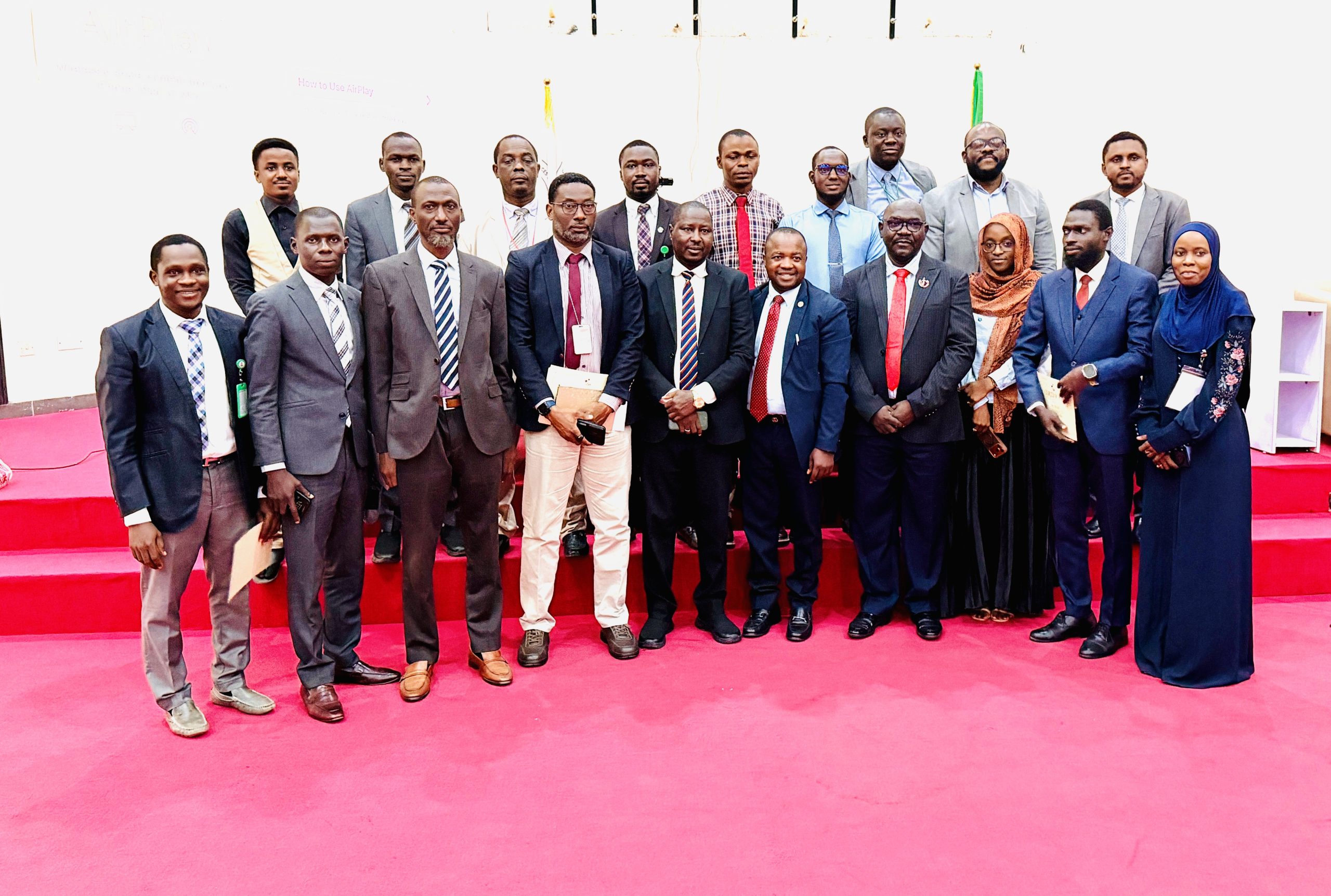
The Independent Corrupt Practices and Other Related Offences Commission (ICPC) has concluded a three-day training workshop aimed at strengthening the capacity of its officers to apply Artificial Intelligence (AI) solutions for data analysis and other aspects of the fight against corruption and related offences.
The training, organised by the Commission in collaboration with LawGPT and with support from the Centre for Democracy and Development (CDD), was held from 17 to 19 August 2026 in Abuja, with emphasis on the practical, responsible and secure application of AI in the Commission’s operations.
Speaking at the closing session, the Head of the External Cooperation Unit (ECU), Mr Ahmed Abdul, urged participants to adopt a hands-on approach by translating the knowledge and skills acquired during the training into practical solutions that would strengthen the Commission’s fight against corruption and related offences. He noted that the increasingly sophisticated and technology-driven nature of corruption requires anti-corruption officers to continually develop their skills and embrace contemporary tools.
Abdul also commended the Commission, under the leadership of its Chairman, Dr Musa Adamu Aliyu, SAN, for demonstrating adaptability and technological awareness through bold steps towards adopting innovative technologies for positive application in the fight against corruption and related offences. He noted that such initiatives were critical to keeping the Commission abreast of emerging threats and evolving methods of perpetrating corrupt practices in an increasingly technology-driven world.
Also speaking, the Head of the Information and Communication Technology (ICT) Unit, Deputy Director Bashir Dagoro, thanked the facilitators and partners for their contributions and commended the Commission for putting together what he described as an important and timely training on Artificial Intelligence. He noted that the programme provided participants with relevant perspectives and practical tools necessary to advance the Commission’s technological capabilities and ensure it keeps pace with global developments in the technology sector.
Dagoro underscored the importance of safeguarding sensitive information in the adoption of AI, stressing that confidentiality must remain paramount when handling petitions, statements, case files, asset declarations and other sensitive Commission records. He further emphasised that AI tools should assist rather than replace officers, as professional judgement, verification and accountability remain indispensable in the discharge of the Commission’s mandate.
He further disclosed that the ICT Unit would develop clear internal guidelines on the acceptable use of AI within the Commission, assess hardware requirements and provide technical support for departments seeking to deploy approved offline AI tools. According to him, the initiative would also be aligned with the Commission’s ongoing implementation of the ISO/IEC 27001:2022 information security management framework.
The workshop was designed to cover AI fundamentals, responsible use and risk awareness, practical applications in petitions, research and document review, as well as confidentiality, privacy and security concerns associated with internet-based AI tools. Participants were also exposed to the distinction between cloud-based and offline AI and participated in practical sessions on installation, demonstrations, limitations and governance of offline AI tools.
The workshop concluded with resolutions and recommendations arising from participants’ group exercises and discussions, which are to be formally transmitted for the Chairman’s consideration, as well as the presentation of certificates of participation to participants.