
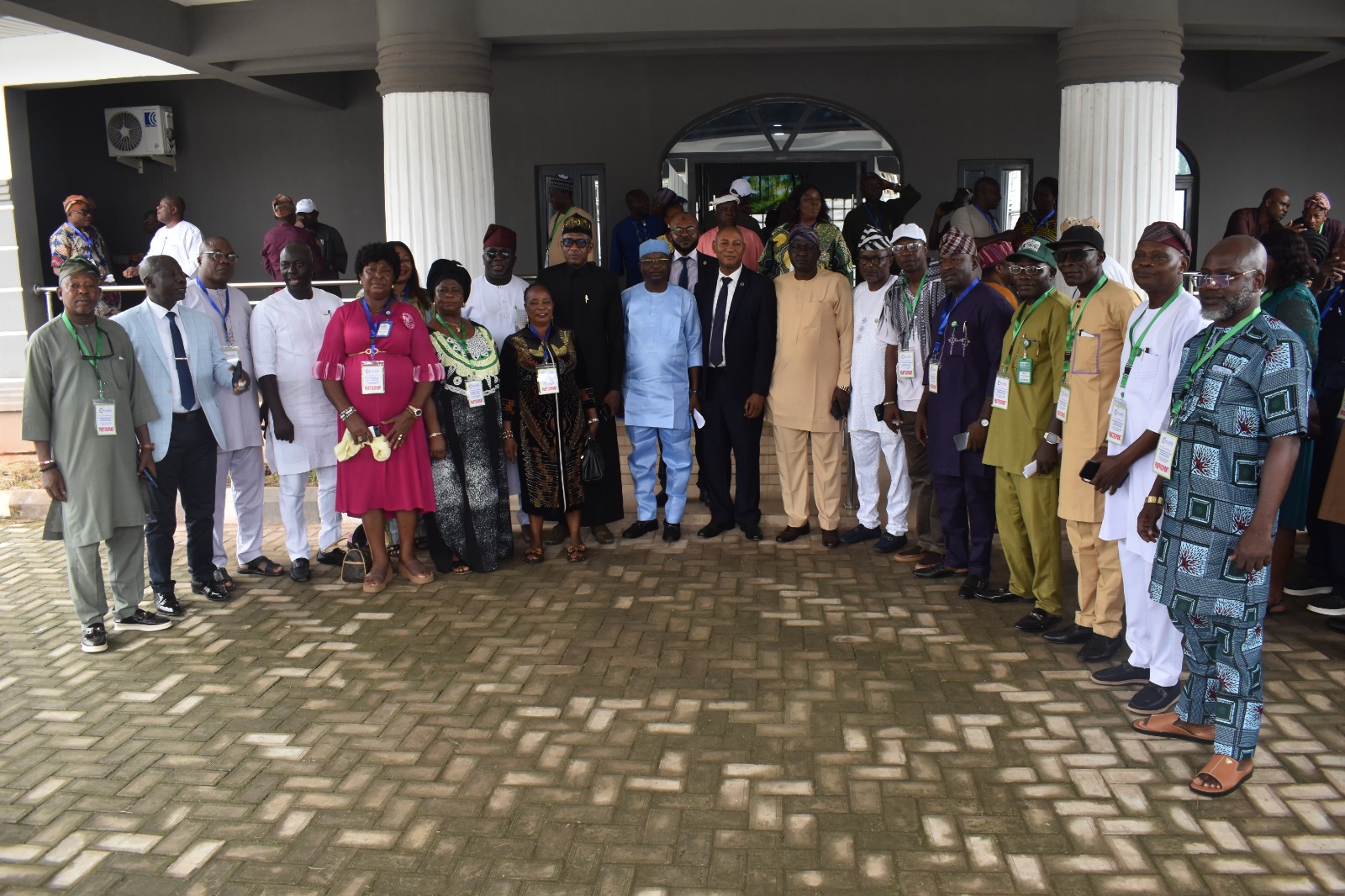
In a significant move to strengthen grassroots administration, the Independent Corrupt Practices and Other Related Offences Commission (ICPC), in partnership with the Ondo State Government recently conducted a three-day capacity-building workshop designed to enhance fiscal discipline and boost Internally Generated Revenue (IGR) across the state’s 18 local government areas.
The workshop convened 226 participants, a diverse group comprising Local Government Chairmen, Vice Chairmen, Heads of Departments, and senior administrative officers. The primary objective is to equip these political officeholders and officials with the practical skills and knowledge required to navigate the complexities of public financial management effectively.
Speaking on behalf of the ICPC Chairman, Dr. Musa Adamu Aliyu, SAN, the Commission’s Head of Constituency Project Tracking and Local Government Initiative, Bello Idris Bakori, outlined the framework of the engagement; further explaining that the workshop is a central component of the Accountability and Corruption Prevention Programme for Local Governments (ACPP-LG). This initiative is meticulously designed to provide councils with robust tools to fortify internal controls, improve transparency, and integrate ethical procedures into the core of local government administration.
“This workshop is not just an academic exercise,” Mr. Bakori stated. “It marks the commencement of a transformative process aimed at converting knowledge into tangible reforms and embedding sustainable governance practices.”
The workshop was formally inaugurated by the Executive Governor of Ondo State, His Excellency Hon. Lucky Orimisan Aiyedatiwa. Represented by the Honourable Commissioner for Local Government and Chieftaincy Affairs, Hon. Alhaji Amidu Takuro, the Governor underscored the administration’s commitment to probity.
He emphasised that transparency, unwavering fiscal discipline, and a high degree of professionalism are non-negotiable principles in the management of local government resources, which are vital for community development.
The first day engaged participants in intensive technical sessions covering best practices in financial reporting, strategies for strengthening internal audit and control mechanisms, and the critical role of effective asset management in ensuring accountability and improving service delivery.
The comprehensive programme continues with in-depth sessions on procurement controls, fraud risk assessment, tax reforms for revenue optimisation, strategic budgeting, and upholding ethical standards. The workshop will culminate with a dedicated session on the legal provisions of the ICPC Act, 2000. Upon successful completion of the programme, participants will be awarded certificates.