
The Independent Corrupt Practices and Other Related Offences Commission (ICPC) has reaffirmed the critical role of civil society organisations in Nigeria’s anti-corruption drive, calling for stronger collaboration, innovation, and citizen participation to advance transparency, accountability, and good governance across the country.
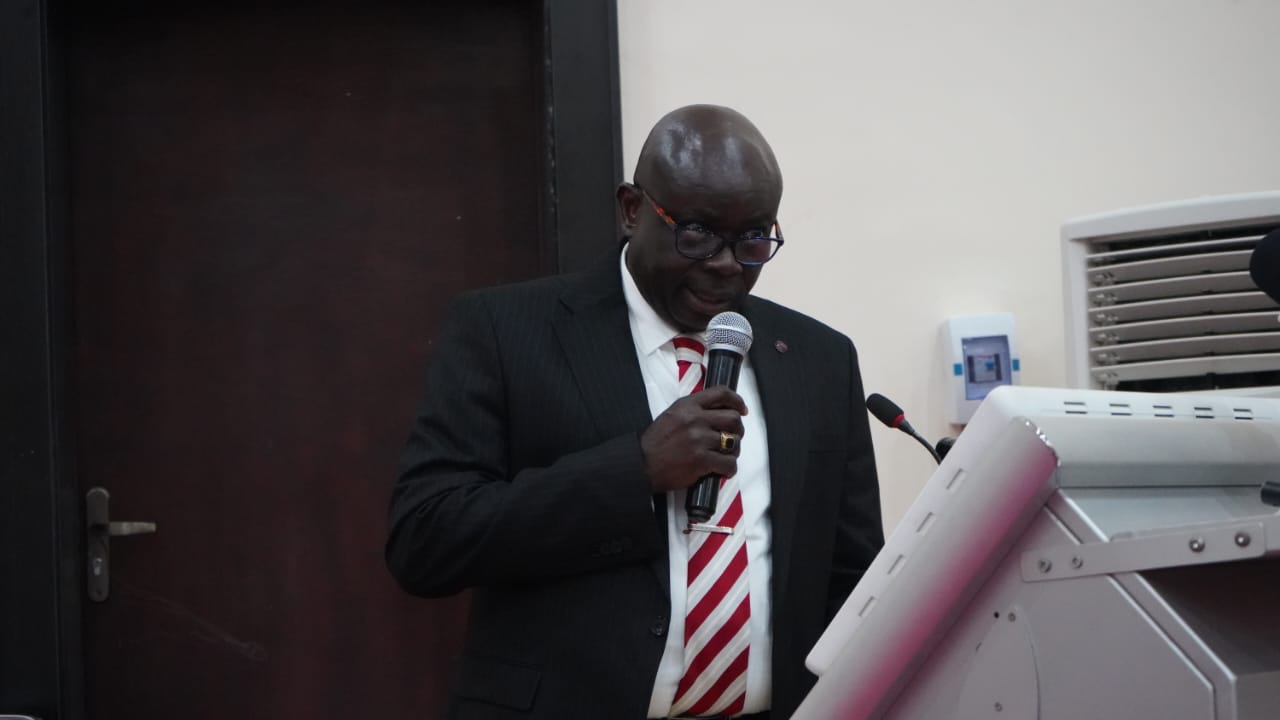
The Chairman of the Commission, Dr. Musa Adamu Aliyu, SAN, made the call while delivering the keynote address at the National Anti-Corruption Coalition (NACC) Summit on Members’ Hybrid Engagement for Strengthening NACC, held at the ICPC Headquarters in Abuja.
The summit brought together representatives of civil society organisations, government institutions, development partners, the media and other stakeholders, with participants also joining virtually from across the country.
Dr. Aliyu who was represented by the Secretary to the Commission, Mr. Clifford Okwudiri Oparaodu, JP, DSSRS, noted that the fight against corruption cannot be won by government and anti-corruption agencies alone, stressing that sustainable success requires the active participation of citizens, civil society organisations, the private sector, faith-based institutions, traditional rulers, youth and women’s groups, academia, the media, and development partners.
According to him, only a broad-based coalition driven by shared values of integrity and accountability can effectively address the country’s corruption challenges.
The ICPC Chairman described the National Anti-Corruption Coalition as one of the Commission’s most significant platforms for fostering collective action against corruption. He observed that since its establishment, the Coalition has played a pivotal role in public sensitisation, advocacy, policy engagement, community mobilisation and social accountability initiatives, helping to promote transparency and strengthen public demand for good governance.
Dr. Aliyu, however, acknowledged that emerging governance challenges, technological advancements, illicit financial flows, procurement irregularities and other sophisticated forms of corruption require more innovative responses and stronger collaboration among stakeholders.
He therefore emphasised that the adoption of hybrid engagement mechanisms by the Coalition was a strategic necessity that would enhance communication, expand participation, facilitate knowledge sharing and strengthen coordinated anti-corruption interventions nationwide.
He urged members of the Coalition to use the summit as an opportunity to critically assess the Coalition’s achievements, address existing challenges and collectively develop strategies for improving citizen mobilisation, youth engagement, grassroots participation, communication among members and the use of technology in advancing anti-corruption advocacy.
Dr. Aliyu further charged members of the National Anti-Corruption Coalition to continue serving as bridges between government institutions and citizens through sustained advocacy, public enlightenment and community engagement.
He described their role as strategic in promoting accountability and strengthening democratic governance, adding that every effort to empower citizens and improve transparency contributes meaningfully to national development.
The Chairman also expressed appreciation to the Commission’s development partners and members of the Coalition for their continued commitment to promoting integrity across the country.
He expressed optimism that the summit’s deliberations and resolutions would provide a renewed framework for repositioning the Coalition, enhancing collaboration among members and expanding the impact of citizen-led anti-corruption initiatives nationwide.
While giving an overview of NACC, the Head of Civil Society Mobilization Unit, Mr. Suleiman Godwin Achile stated the National Anti-Corruption Coalition was established by the ICPC in 2006 as an umbrella platform for collaboration with civil society organisations whose core mandate includes anti-corruption advocacy.
He said over the years, the Coalition has grown to over 400 registered organisations working with the Commission to promote transparency, accountability and integrity across Nigeria.
The summit was convened to re-strategise, rejuvenate and strengthen the Coalition, reconnect with members, familiarise newly admitted organisations with the Coalition’s Memorandum of Understanding, update members on the Commission’s recent initiatives and clarify their roles and expectations as critical stakeholders in Nigeria’s anti-corruption campaign.