
The Independent Corrupt Practices and Other Related Offences Commission (ICPC) has charged electoral officers of the Independent National Electoral Commission (INEC) to uphold the highest standards of responsibility, accountability and transparency in the discharge of their duties as preparations intensify for the 2027 General Elections.
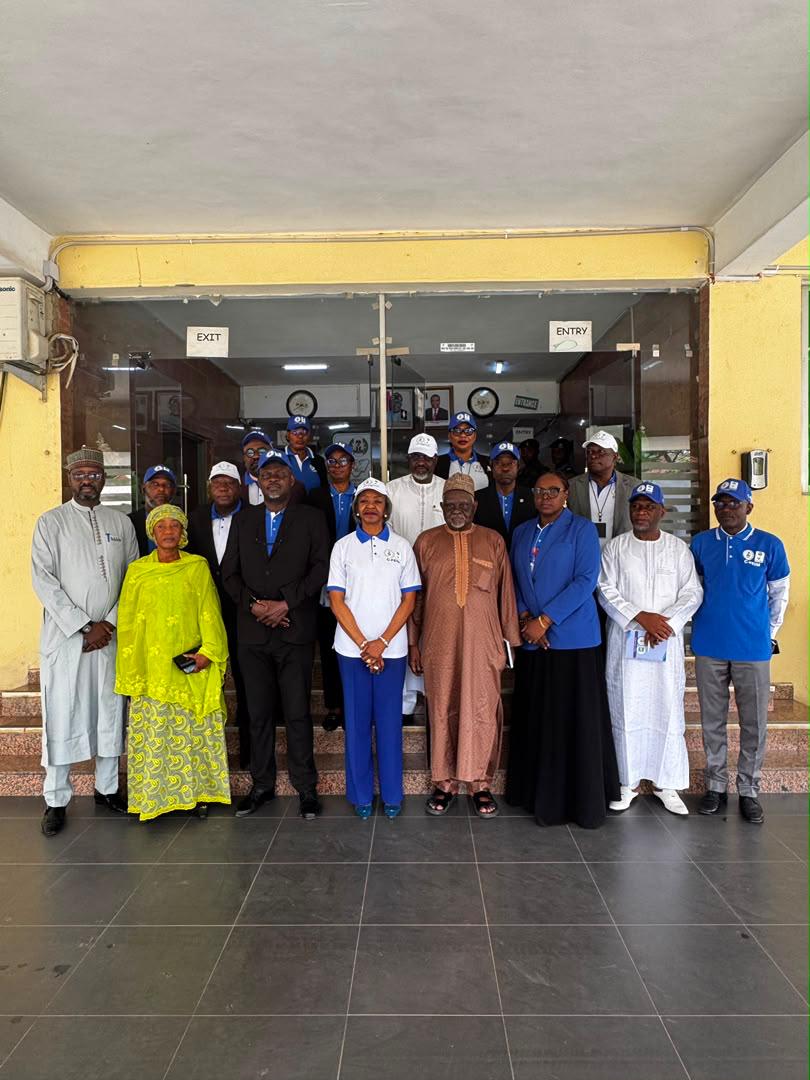
The charge was given by the Chairman of the ICPC, Dr. Musa Adamu Aliyu, SAN, at the opening of a two-day Anti-Corruption and Sensitisation Workshop for the INEC workforce themed “Corruption-Free Election: Integrity Matters! (C-FEIM): Towards a Corruption-Free 2027 General Election,” held at the INEC Headquarters, Abuja.
The ICPC Chairman, who was represented by the Director of Legal Services, Mr. Henry Emore, said elections remain defining moments in the life of every nation, noting that as Africa’s largest democracy, Nigeria expects the highest level of professionalism and integrity from electoral officials entrusted with conducting elections.
He stressed that electoral officers occupy strategic positions in safeguarding the country’s democratic process, urging them to remain steadfast in upholding ethical values and resisting all forms of corrupt practices capable of undermining the credibility of elections.
The ICPC Chairman observed that whenever electoral processes are compromised by corruption and malpractice, the consequences extend beyond the conduct of elections, resulting in costly supplementary polls, increased pressure on law enforcement agencies through numerous petitions and litigation, and erosion of public confidence in democratic institutions.
He explained that the workshop forms part of the Commission’s preventive anti-corruption mandate and its commitment to supporting government institutions in promoting integrity, accountability and transparency.
According to him, the collaboration between ICPC and INEC is designed to strengthen the capacity of electoral officers to deliver free, fair, and credible elections in 2027 and beyond.
Dr. Aliyu commended the Chairman of INEC for approving the sensitisation programme despite the Commission’s demanding electoral schedule, describing the gesture as a clear demonstration of the electoral body’s determination to confront corruption and institutionalise integrity in the nation’s electoral system.
While acknowledging the enormous responsibilities and risks associated with election management, the ICPC Chairman applauded electoral officers for their sacrifices and patriotism in serving the nation.
He encouraged them to remain committed to their constitutional responsibilities with courage, professionalism, and unwavering integrity.
He expressed confidence that the workshop would provide participants with practical knowledge and ethical guidance that would strengthen electoral integrity and position Nigeria to conduct elections that meet both national and international standards.
In his remarks, the Chairman of INEC, Professor Joash Ojo Amupitan, SAN, represented by the Resident Electoral Commissioner for the South-South Region, Mrs. May Agbamuche-Mbu, described the workshop as timely and significant in strengthening the integrity of the electoral process ahead of the 2027 General Elections.
He commended the ICPC for organising the workshop, noting that it would enhance the capacity of INEC personnel, facilitate the sharing of best practices and produce practical recommendations for promoting ethical conduct during elections. He urged participants to engage actively throughout the workshop and reaffirmed the Commission’s commitment to sustaining collaboration with the ICPC in advancing credible, transparent and corruption-free elections in Nigeria.
Day one of the workshop witnessed two presentations by Mr. Demola Bakare, Director, Public Education Department, and Mrs. Susan Ogabaidu, Deputy-Director, Special Duties Division, where they outlined the critical risks and legal ramifications of conflicts of interest within Nigeria’s electoral framework.
They also identified how personal biases, financial inducements, and political affiliations among officials can fundamentally damage the integrity of democratic processes.
The workshop ends on Tuesday with two presentations focusing on corruption prevention measures in enhancing integrity in electoral processes and the imperative of value re-orientation within the workforce, to be facilitated by Mr Olusegun Adigun, Director, Systems Study and Review Department, and Mr Kingsley Chidi Obi, Deputy Director/ Value Orientation Division, Education Department of the ICPC, respectively.