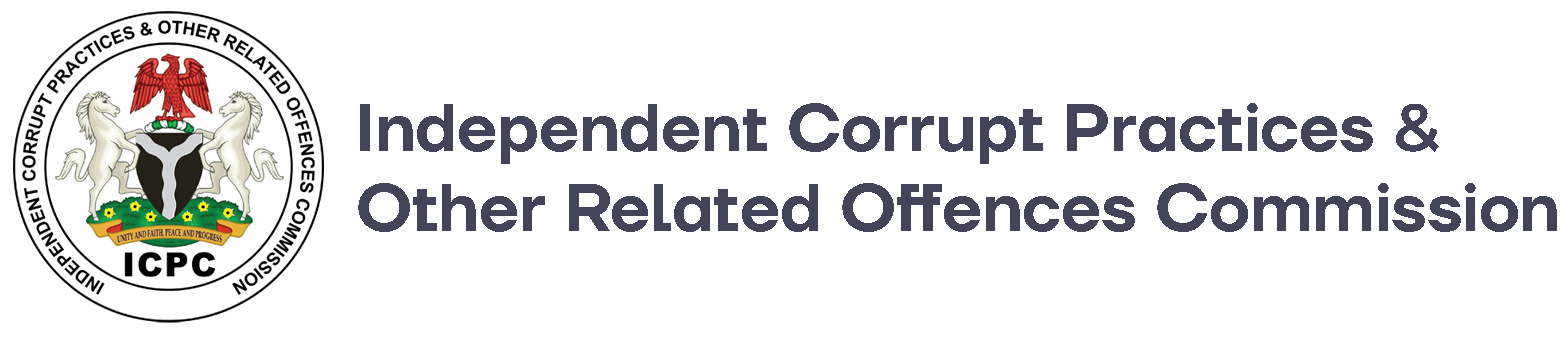

Dr. Aliyu gave the charge in Abuja on Wednesday, at a hybrid capacity-building training for NACC members held at the ICPC Headquarters. The event was themed “Strengthening Civil Society Capacity for Election Monitoring, Improved Funding, and Grassroots Communication of the Commission’s Impact.”
The ICPC Boss told the Civil Society Organisations (CSOs) to learn the relevant electoral laws and guidelines. “Election monitoring should never be driven by partisan interests or unverified allegations. Rather, it should promote transparency, strengthen public confidence and encourage respect for established electoral procedures,” he said.
The Chairman stated that the training was being held in response to problems raised at the recent NACC Summit, including inadequate training, limited funding, and weak reporting mechanisms, adding that access to funding must come with accountability. “Organisations that promote transparency must themselves demonstrate responsible financial management, proper documentation, measurable results and openness to scrutiny,” he stated.
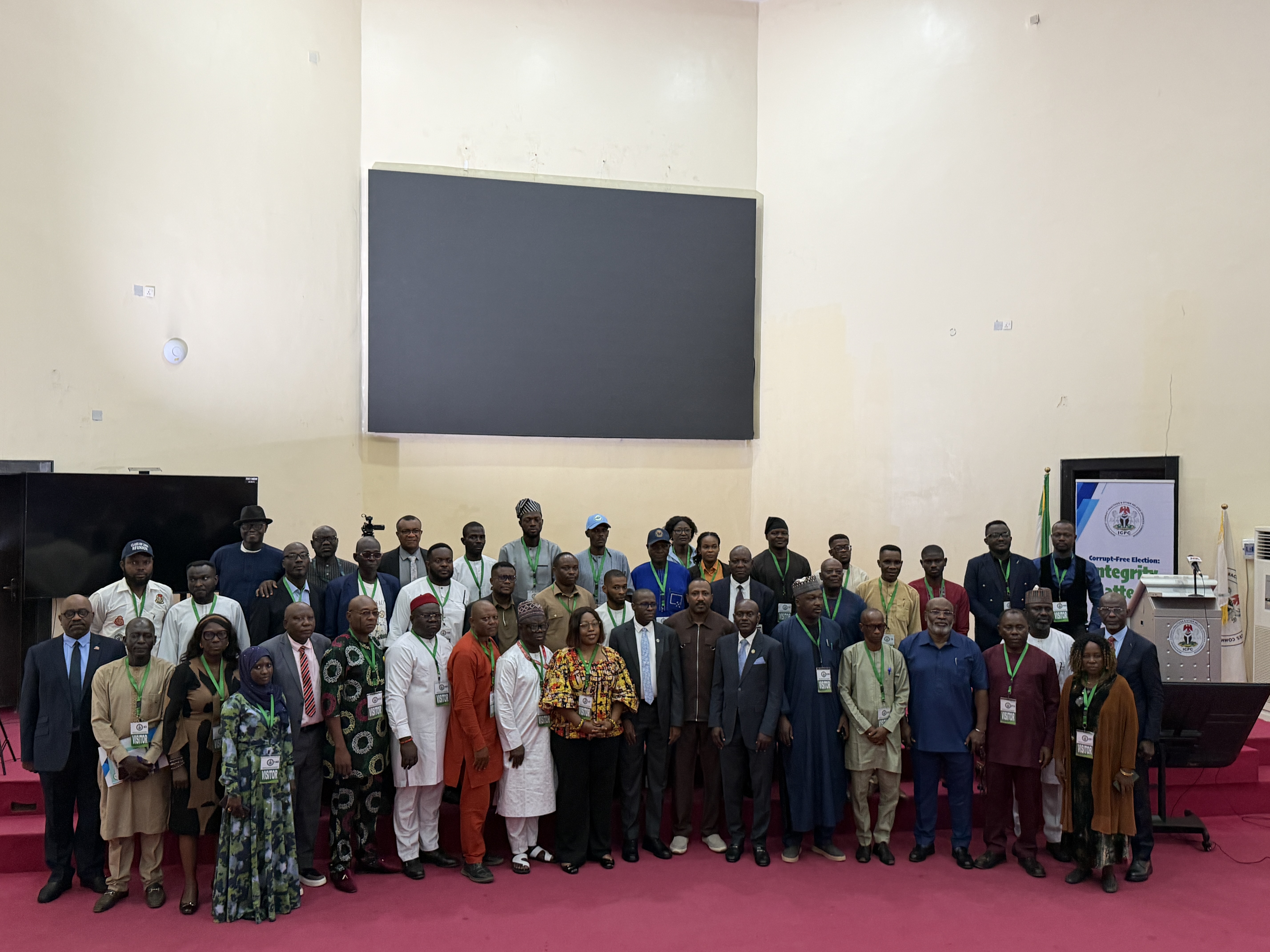
Dr. Aliyu, while declaring the training open, called on the participants to communicate the impact of anti-corruption work to grassroots communities and to keep their use of the media evidence-based and fair. He told them to protect sensitive information and safeguard vulnerable sources. “The credibility of the anti-corruption movement depends on the integrity of those who lead and drive it. We must practise the values we promote,” he said.
Earlier, in a welcome address, the Deputy Director and Head of Stakeholders Mobilization Division, Dr. Oluwasina Babasola, described vote buying, voter inducement and abuse of public resources as corruption-related practices that undermine public confidence in elections. He said credible observation “requires more than physical presence at polling units.”
In his presentation, Dr. Ibrahim M. Zikirullahi, Executive Director of the Resource Centre for Human Rights and Civic Education (CHRICED), said: “Observation is not interference; it is a mechanism for strengthening democracy.” He advised observers to “observe, record and report” irregularities such as vote buying, intimidation and tampering with materials, and to file accurate, verifiable reports.

Speaking from the perspective of sustained civic engagement beyond the polls, the Executive Director, Centre for Fiscal Transparency and Public Integrity (CeFTPI), Dr. Umar Yakubu, stressed that effective public oversight of recovered assets remains inseparable from credible election monitoring. He noted that CeFTPI’s ongoing advocacy for stronger implementation of the Proceeds of Crime (Recovery and Management) Act 2022, the upgrade of its open-source asset-recovery dashboard, and community sensitisation across the six geopolitical zones all reinforce the same principles of transparency, accountability and citizen participation that NACC members must uphold when observing elections.
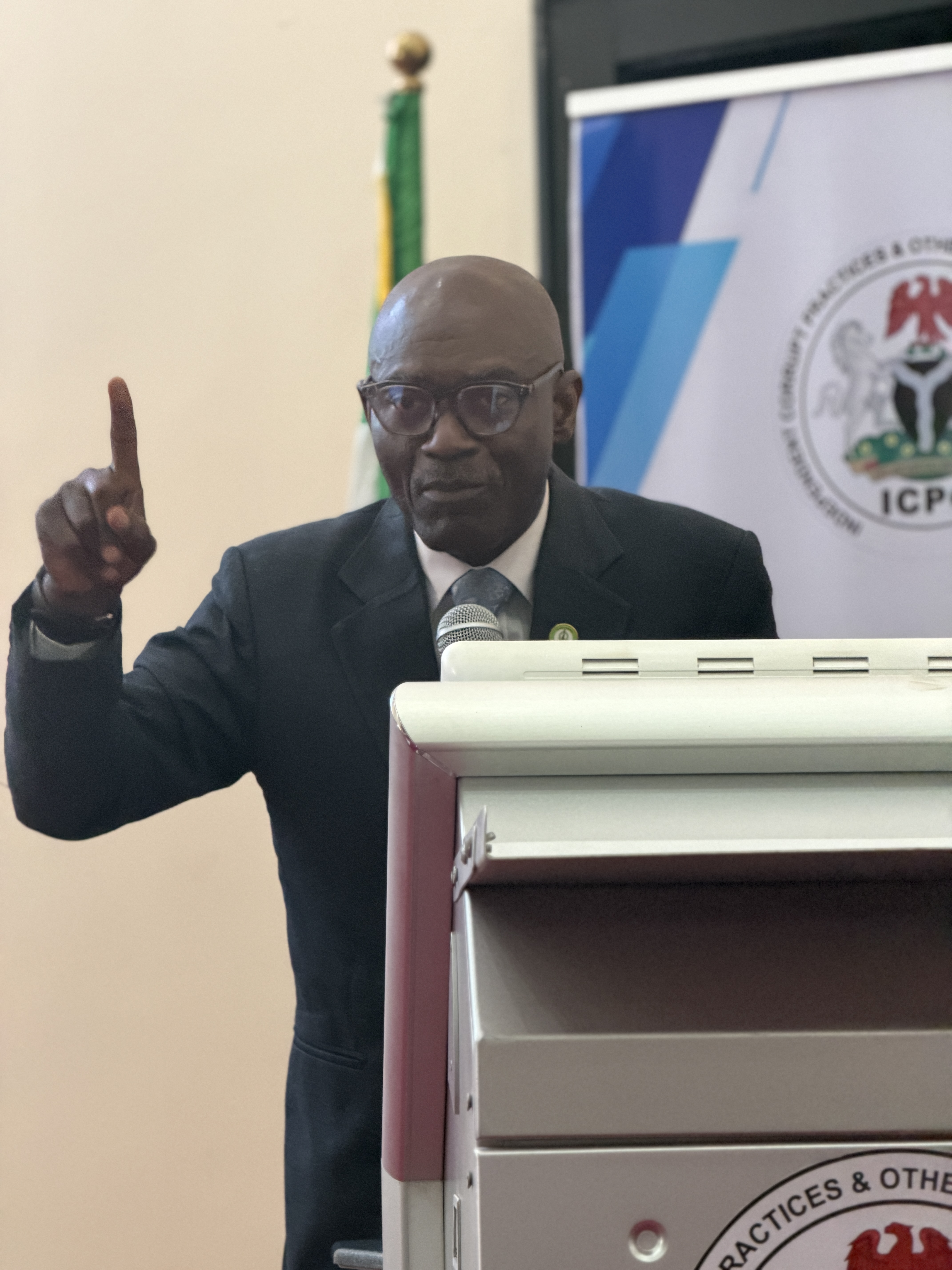
The training drew representatives of civil-society organisations, development partners and other stakeholders, with some participants joining virtually. It also included sessions on proposal writing and grant seeking.